
Venetian Nights 2026
DOMENICA CAPITALE
( genere domenicale )CAPITAL SUNDAY ( sunday gen )
V.O. sub EN
Followed by Q&A
Reservation required on giornatedegliautori.com
V.O. sub EN
Free entry, subject to availability
cinematography
Giovanna Giuliani
editing
Giovanna Giuliani
music
Giulio Vannagia
sound
Giovanna Giuliani
cast
Fabrizia Di Stefano
(Sunday Listening Desk)
Mariagrazia Masini
(Speech-Language Pathologist)
Giovanna Giuliani
(Sunday Tape Listener)
Michelangelo Frammartino
(Sunday Tape Co-Listener)
productions
Bad Take
co-productions
Okta Film
Fermento
Enece Film
producers
Giovanna Giuliani
Giulio Sangiorgio
italian distribution
Okta Film
zero@oktafilm.it
Italian press office
Lorena Borghi
lorenaborghi@gmail.com
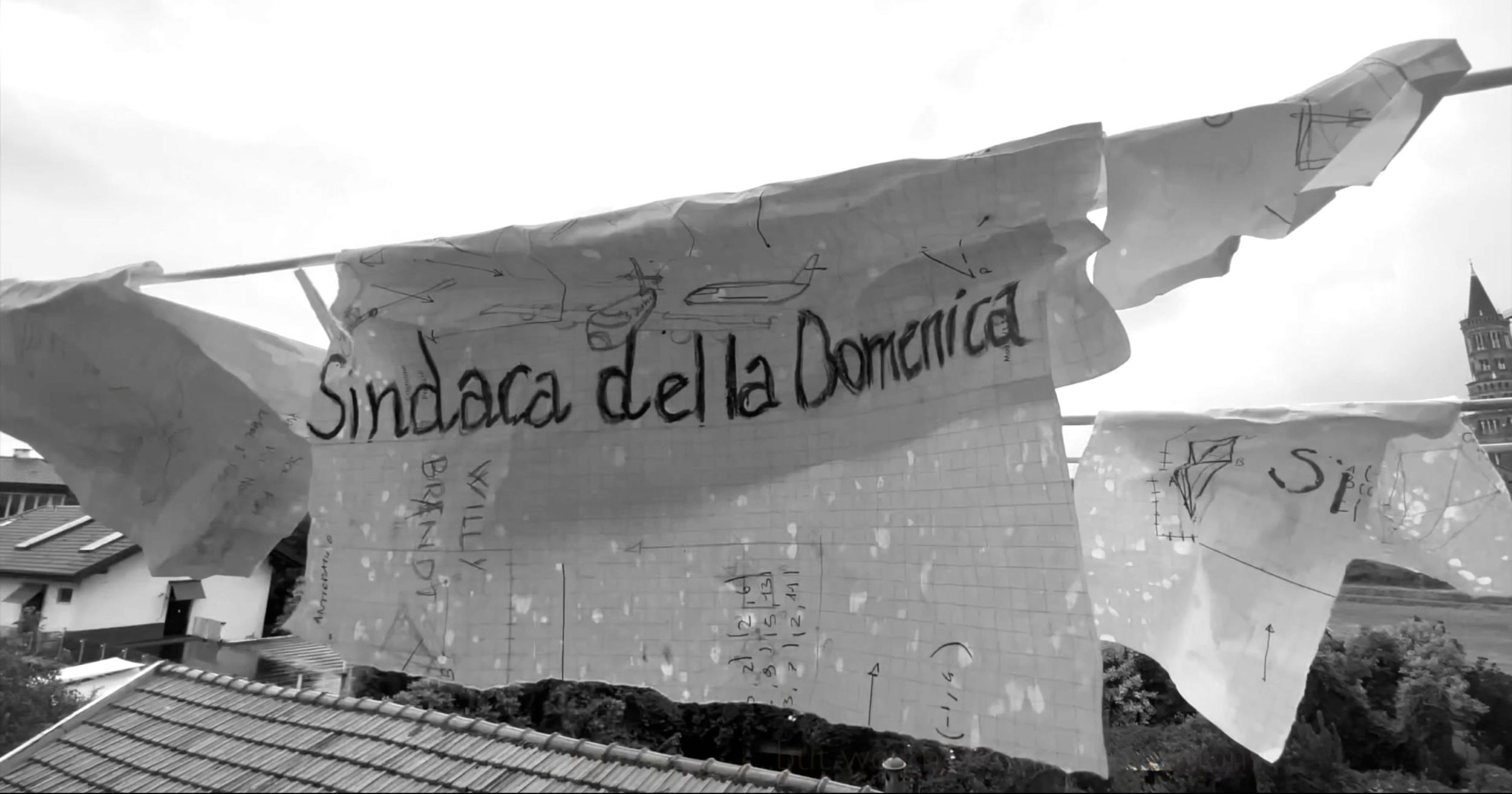
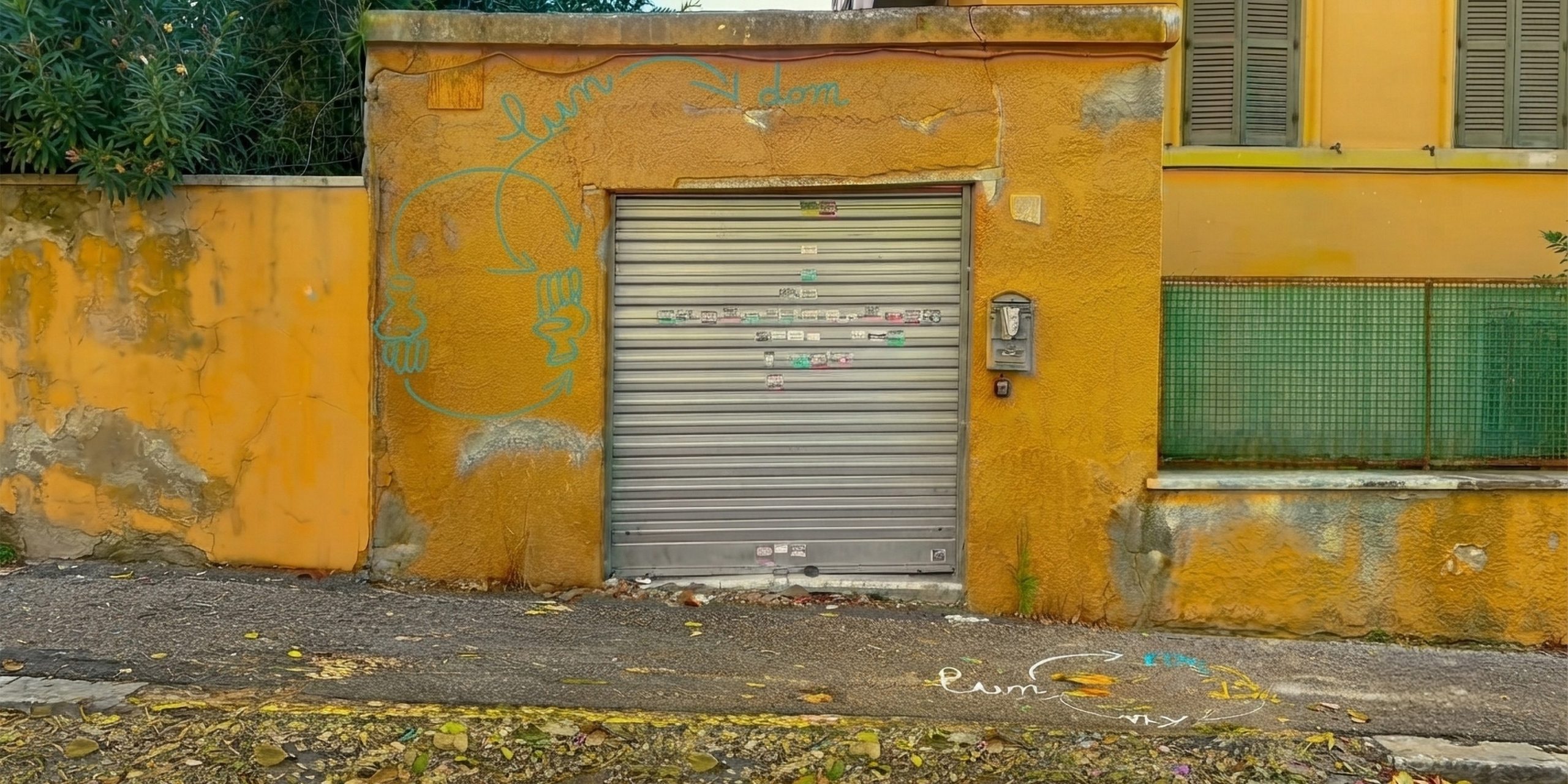
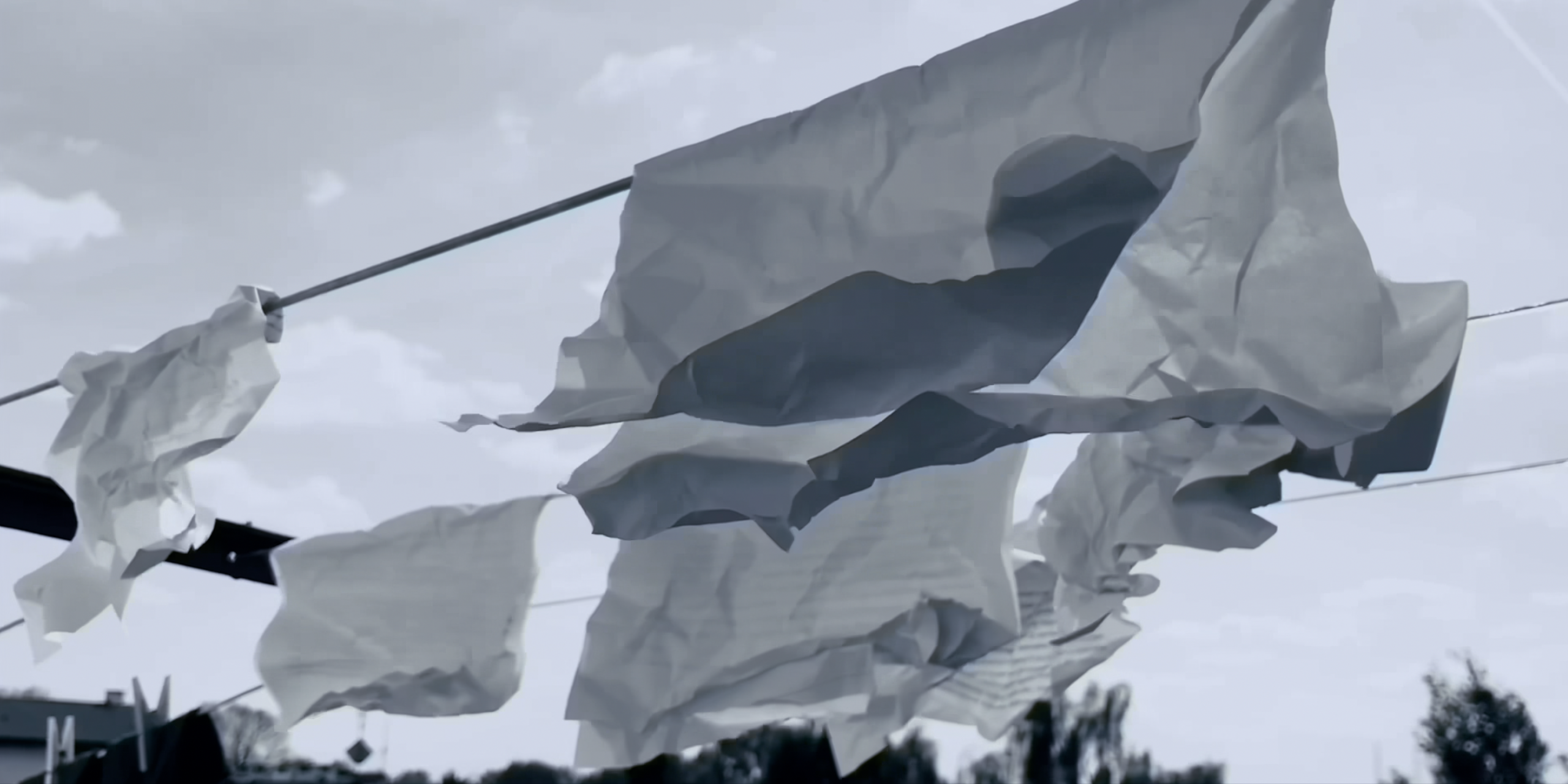
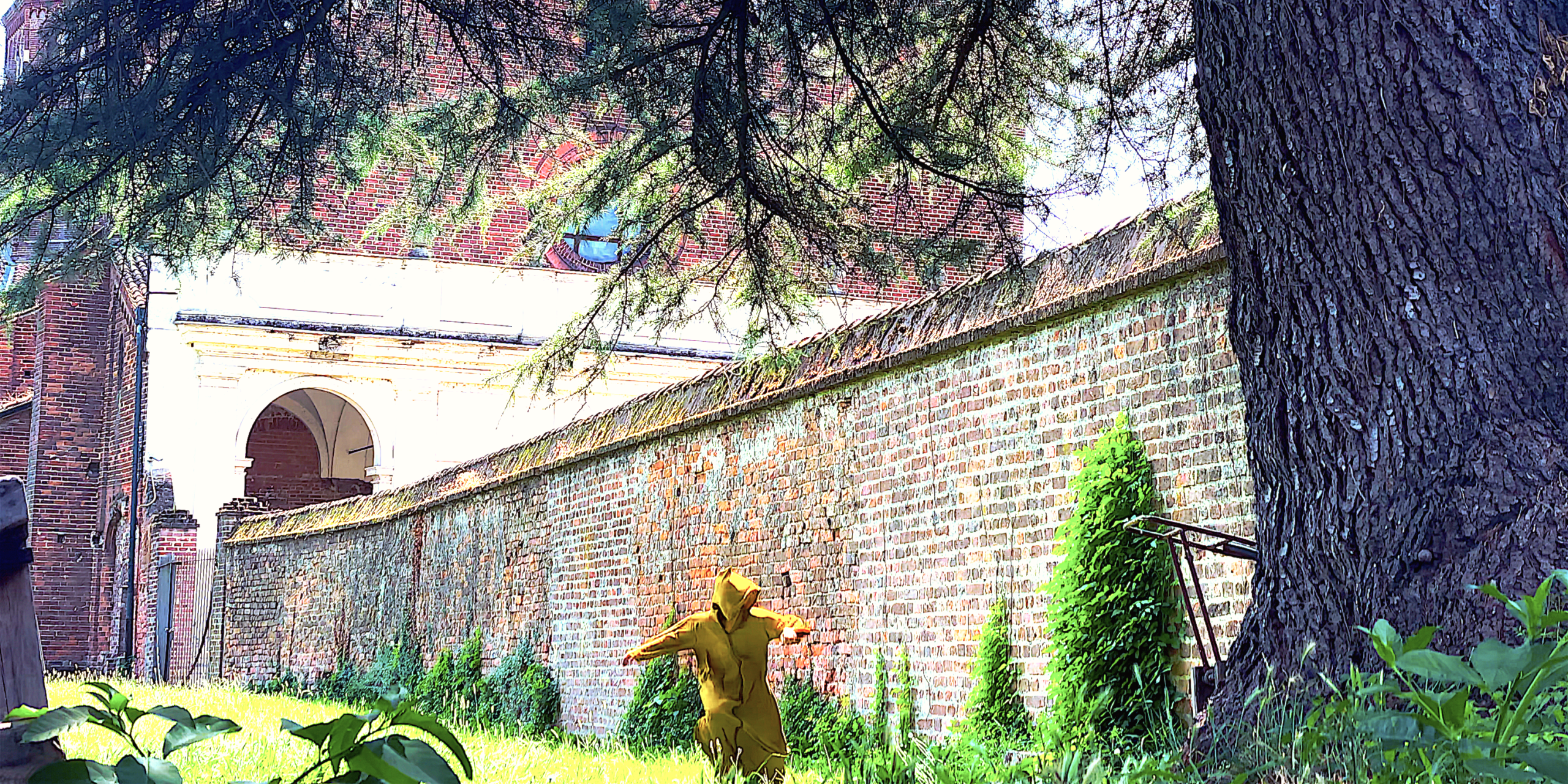
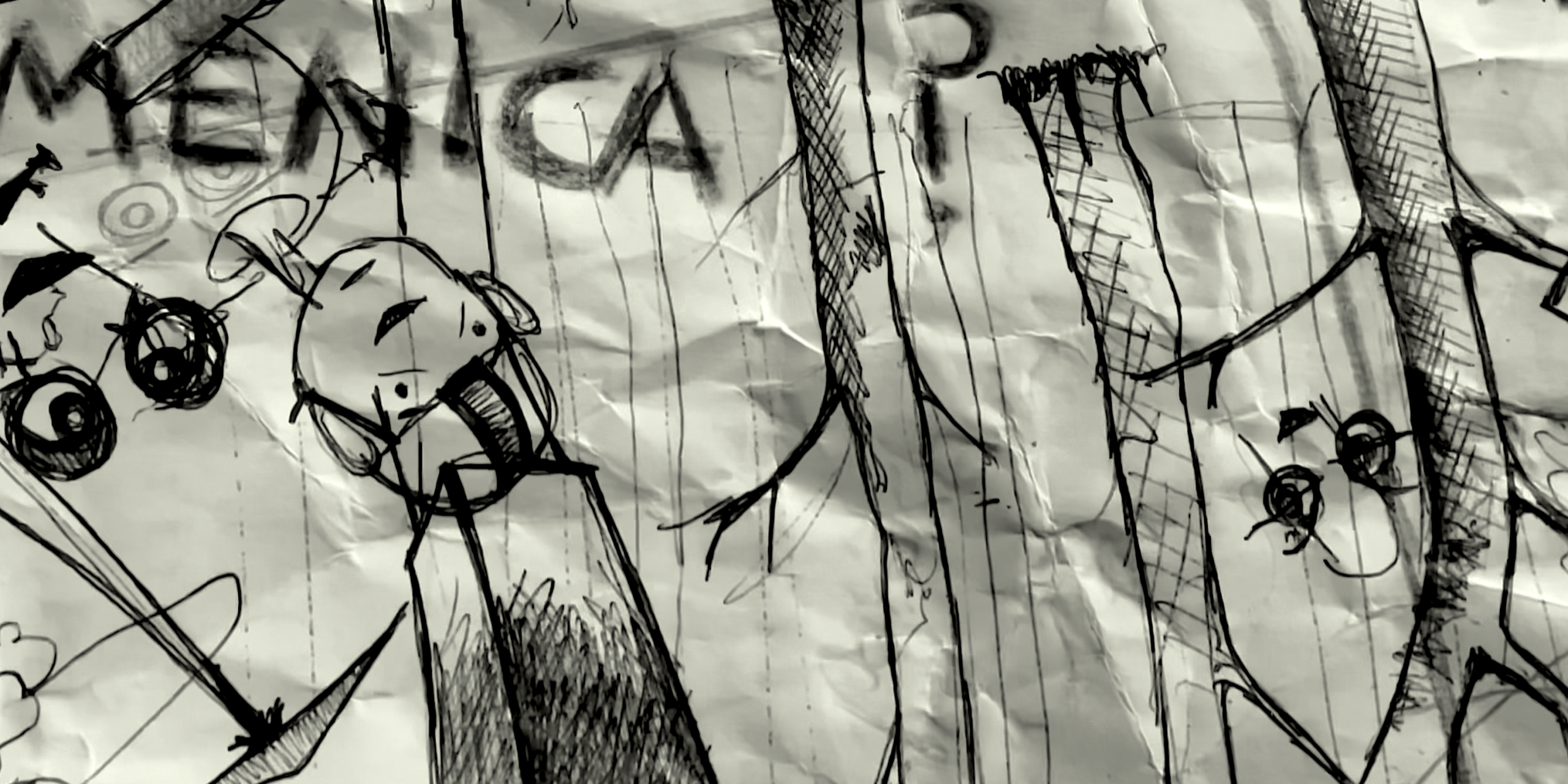
One woman works at the municipal desk where Roman residents voice their grievances. The other at the speech therapy clinic in Naples. One listens; the other helps patients speak. Both work with the spoken word. Both are nearing retirement: the start of one long Sunday, instead of that weekday punching of the clock, inside offices, inside rooms. What was that weekly Sunday in their lives, if not an open space of truly creative activity, free from the office worker’s bane of unproductivity? If not a time for active listening, in the neighborhood, getting together at odd hours, an unplanned field of possibility? Away from that tame, sleep-walking environment of the pay check and the limits it places on one’s goals? By comparing the active, voluntary Sunday and the passive, enforced Sunday – and those who lived before the Sunday of Italian tradition and those after, this film attempts to speak all the languages of Sunday.
2026 Domenica Capitale ( genere domenicale )
“I can’t say I directed; I was directed by the actors and the settings of this film. It was the human material – a shifting social, sentimental, political, and genre-bending shape – that I was unable to possess. It possessed me. I had to follow it and adapt to its lack of form. As did the film, which drifted away from any genre at all. As I tried and tried to fill in the gaps of history and my own story, I studied and allowed myself to be guided by bodies exuding the layers of our country’s history. Speech ruled here. In its every form (small talk, literary, militant, philosophical, dyslexic) it transfixed me and played me. Social analysis was now self-analysis; listening, obsessive transcribing; quoting and re-quoting others’ words that wound up coming out of my mouth, like my own. An all-around Krapp’s Last Tape, waiting for an action-Godot Monday.” (Giovanna Giuliani)
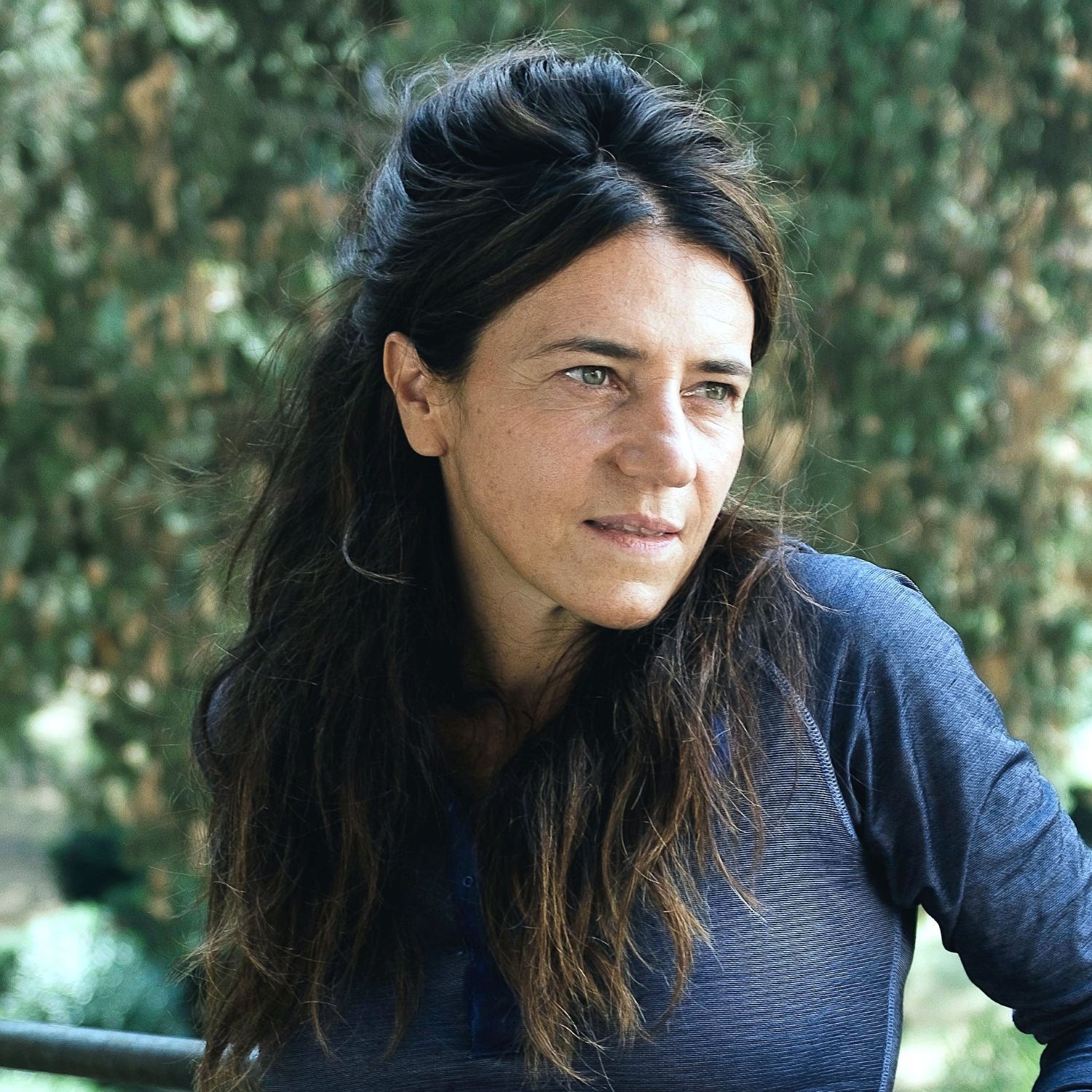
Giovanna Giuliani (Bari) studied literature and philosophy in Naples. A self-taught stage and film actress, she has been directed by Gianluca Jodice, Mario Martone, Jean-Marie Straub, Shirin Neshat, Anton Milenin, Alfredo Arias, Werner Waas, Mimmo Calopresti, Tonino De Bernardi, and Andrea De Rosa. She has worked with the musician Daniele Sepe and, in radio, on the project Sala giochi, written by Goffredo Fofi and Maurizio Braucci. Assistant to Martone and Straub-Huillet, she went on to direct: Il Monaciello di Napoli; I Minimi di Elmina; La montagna spara-la pianura non risponde; Dongiovanna-Corpo senza Qualità; and Rivoluzione al Bar. In 2001, she won the Sacher Award for Best Actress in Jodice’s La signorina Holibet. Since 2015, she has worked with Michelangelo Frammartino, for whose film Il buco she obtained an advanced certificate in spelunking and working at heights, co-wrote the film and handled various aspects of the production: artistic, creative, casting, acting, and coaching.
