
Competition 2026
LES INDES
Press/Industry
Public, all accreditations
Followed by Q&A
Public, all accreditations
cinematography
Sylvain Verdet
editing
Anita Roth
sound
Xavier Lavorel (live recording)
Clara Alloing (design)
Denis Séchaud (mix)
music
Andrés García
production designer
Sylvia Steinbrecht
costumes
Linda Harper
cast
Théo Urtubey
Raphaël Thiéry
Lazare Minoungou
productions
Alina film
Lastor Media
producers
Eugenia Mumenthaler
David Epiney
co-producers
Tono Folguera
Ariadna Dot
world sales
MoreThan Films
queralt@morethan-films.com
lidia@morethan-films.com
international press office
Marijana Harder
mail@marijanaharder.com
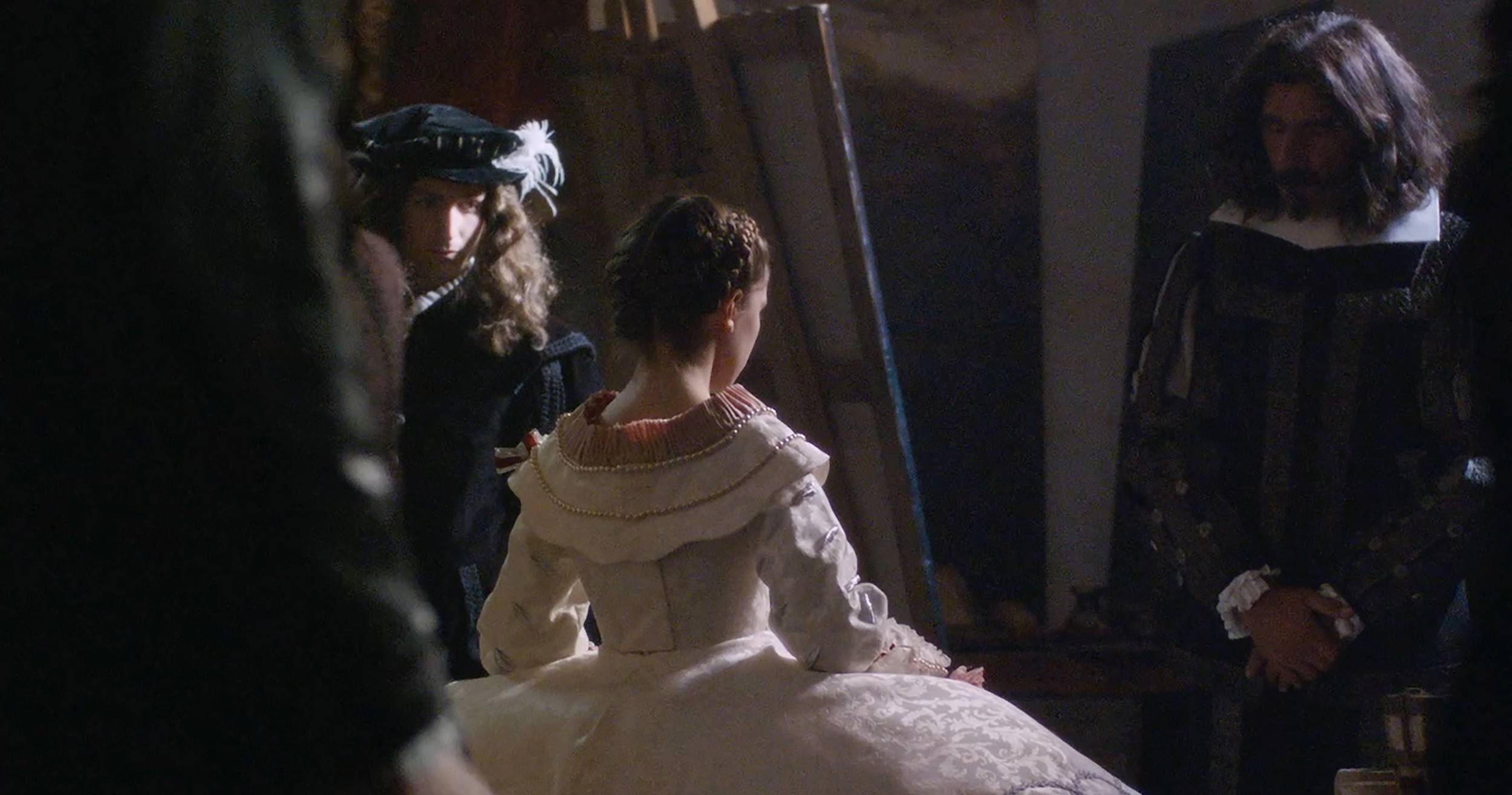
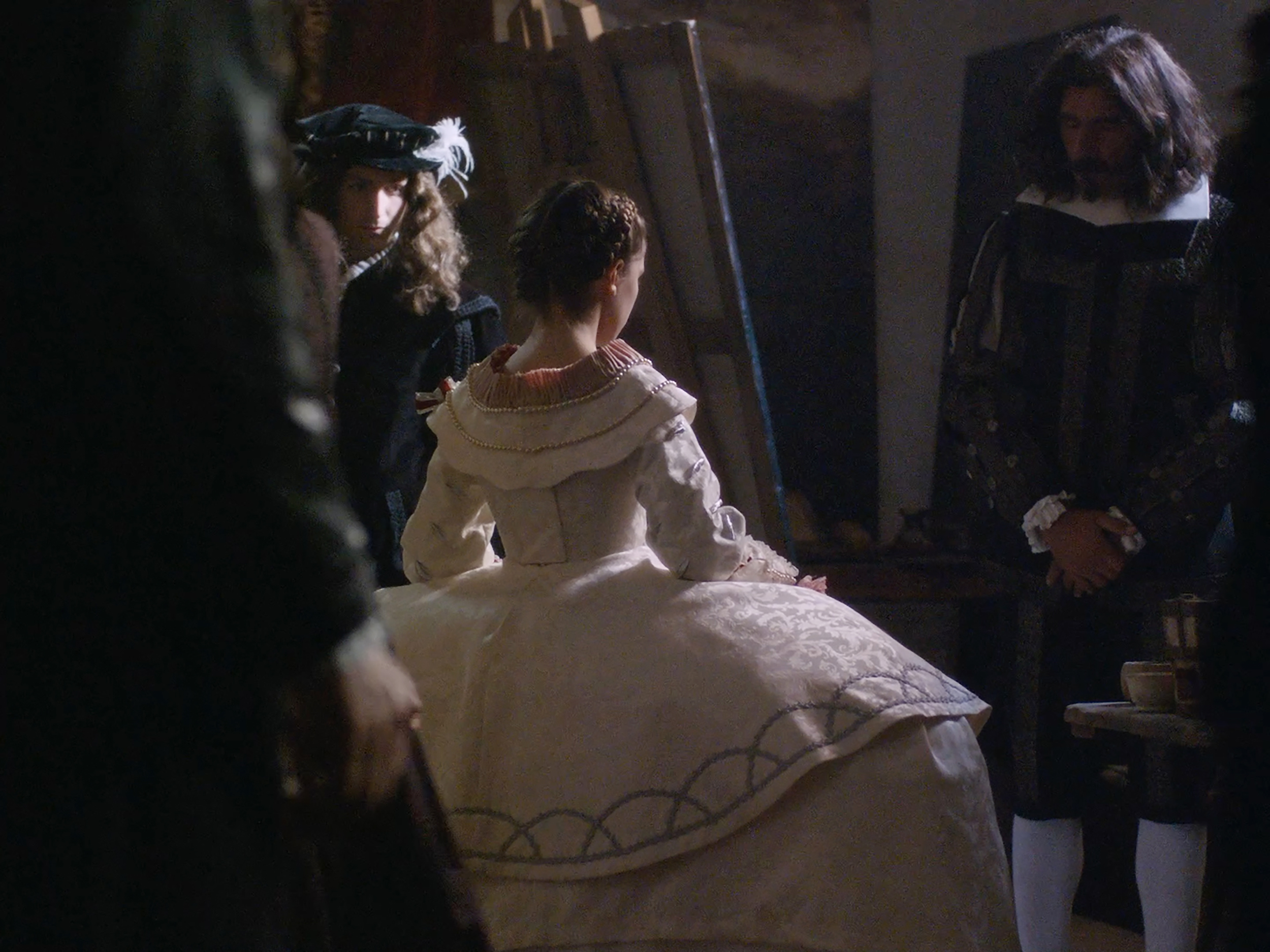
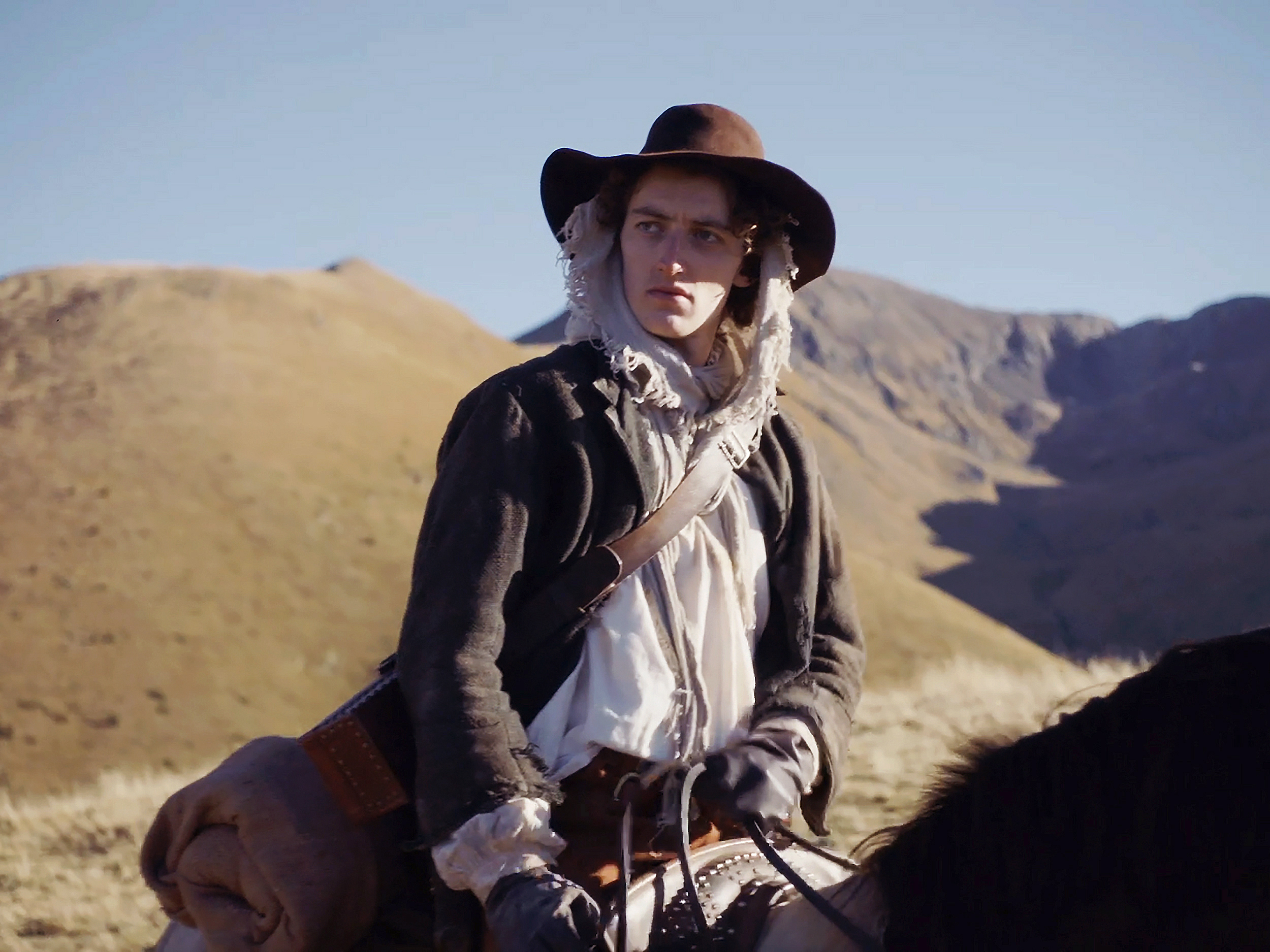
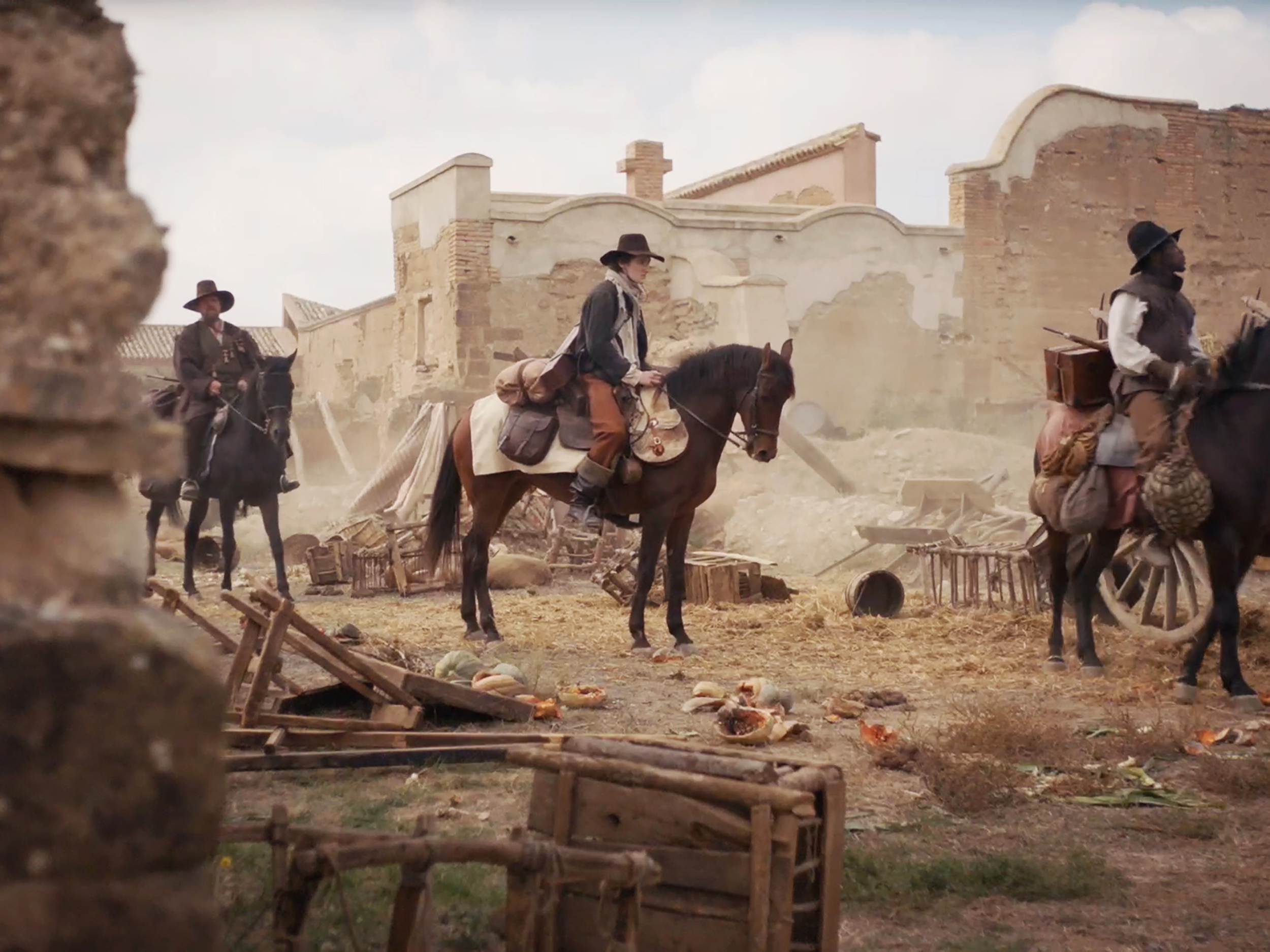
Alejandro, a young Spanish nobleman, is tasked with delivering the portrait of the Infanta of Spain to Louis XIV, still a child. It is intended to seal the alliance between the two crowns. Fascinated by the promises of the New World, lands to be conquered and new trade routes to be opened, he is escorted by two French soldiers. As the portrait advances, the three men deeper into a Europe ravaged by wars and uprisings. The journey to the French court is long and arduous, and the path back to civilization and the modern world emerging remains uncertain.
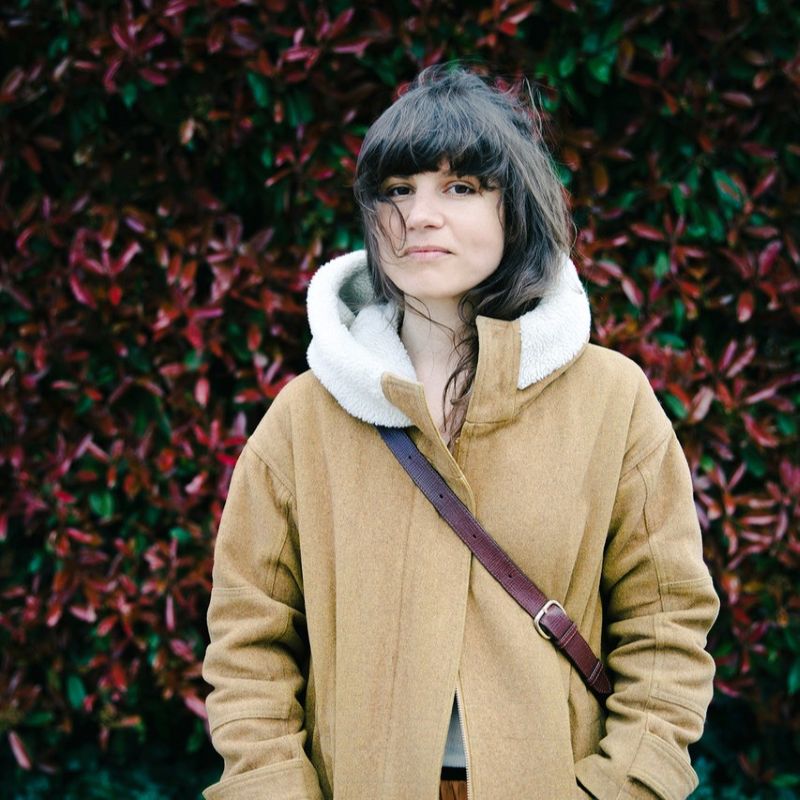
Pauline Julier
2026 Les Indes
2025 A Million Year Picnic “Conversations sur Mars”
(doc, installation)
2023 Follow the Water (doc)
2021 Way Beyond (doc)
2019 Naturales Historiae (doc)
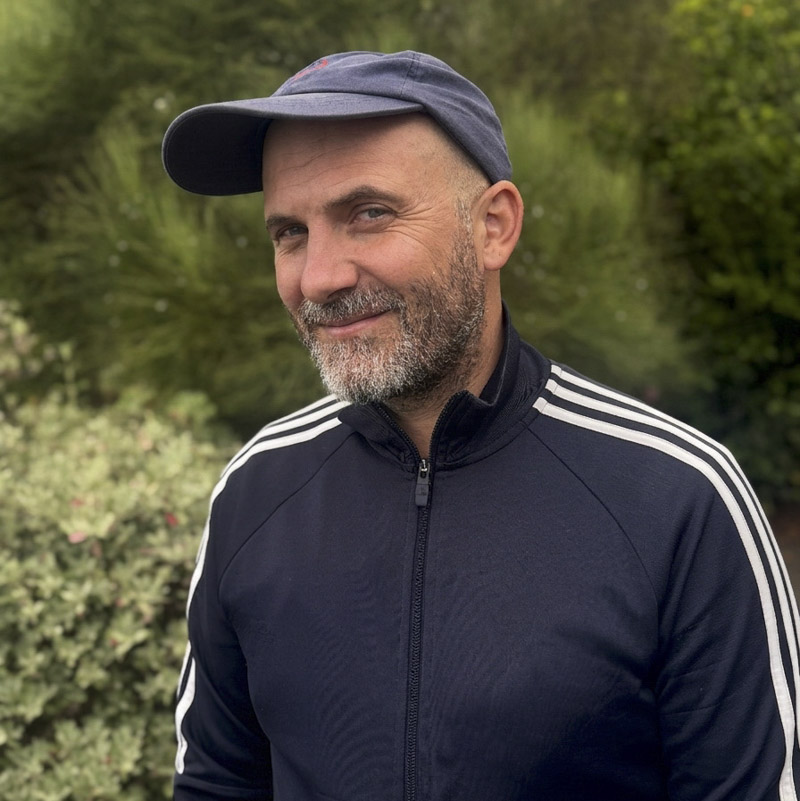
Nicolas Chapoulier
2026 Les Indes
“The film is inspired by a historical event: in 1652, Velázquez painted the portrait of Maria Theresa of Austria, Infanta of Spain. A few weeks later, it reached the court of Louis XIV, sealing the union of the French and Spanish monarchies as well as peace after the Thirty Years’ War. In our own time, when images circulate instantaneously, imagining the creation and transport of this painting, and its political significance, struck us as a powerful dramatic engine. It is the 17th century: the medieval era is fading in the face of the rise of science, rationalism, and commerce. The world is no longer merely to be explored – it is to be conquered. Galileo opens new horizons, while mercantilism lays the foundations of capitalism. In this context, popular uprisings erupt under the pressure of taxation and poverty. It is along these roads, marked by tensions between the old world and the new order, that Les Indes unfolds. Between the extreme refinement of the two courts, between the exchanged glances of two adolescents, the heart of the film lies in the journey of the three men and the painting through the wildness of nature – at a moment when it becomes an object to be observed, mastered, and shaped. As we today witness the signs of exhaustion in a system driven by relentless modernization and growth, we felt compelled to tell the story of one of its beginnings. To tell the story of human beings separating themselves from nature at a time when we are coming to understand (had we forgotten?) that we are intimately connected to it.”
(Pauline Julier, Nicolas Chapoulier)
Pauline Julier is a filmmaker and artist. Her films and installations have been presented worldwide, from the Centre Pompidou and the Jeu de Paume to the Museum of Modern Art in Tanzania, as well as Wiels (Brussels), the Pera Museum (Istanbul), and the Cinémathèque of Toronto. A two-time recipient of the Swiss Federal Art Award, she has been an associated artist at the Grand Théâtre de Genève and a resident at the Swiss Institute in Rome. Her work has been the subject of a major solo exhibition at the Aargauer Kunsthaus and will be exhibited at the upcoming Karachi Biennale.
Nicolas Chapoulier is a writer, director, and stage director whose multidisciplinary practice spans theater, performance, and cinema. With the troupe Les 3 Points de suspension, his creations have toured both in France and internationally, and his production La grande saga de la Françafrique was nominated for the 2017 Molières. In 2014, he was awarded the Écrire pour la rue grant from the Beaumarchais-SACD Foundation for Looking for Paradise. He was invited to the French Pavilion at the 2018 Venice Architecture Biennale and appointed theater expert for DRAC Auvergne–Rhône-Alpes in 2019. In 2022, he received the SACD Prize for staging in public spaces.
