
Venetian Nights 2026
UNO SI DISTRAE AL BIVIOSOUTHERN PEASANTS
V.O. sub IT/EN
Followed by Q&A
Reservation required on giornatedegliautori.com
V.O. sub IT/EN
Free entry, subject to availability
artistic supervision
Enrico Masi
cinematography
Tomas Rigoni
Enrico Masi
editing
Esmeralda Calabria
music
Antonio Guastamacchia
Héctor Cavallaro
Pino Basile
sound
Michele Leucci
costumes
Antonio Tomacci
with
Antonio Guastamacchia
Angelica Brienza
Daniele Onorati
Giorgia Palmucci
Giuseppe Antonio Colangelo
Pino Basile
Gerardo Santorsa
Vincenzo Brienza
Don Gaetano Corbo
Tonino Amati
Aurelia De Bonis
Teresa Tamburrino
Giuseppe Miseo
Nicolas Lancellotti
Antonio Benevento
production
Caucaso
producer
Stefano Migliore
executive producer
Giuseppe Fedele
in collaboration with
Fedelissimi
with the support of
MiC – Direzione Generale Cinema e audiovisivo
SIAE nell’ambito del programma “Per Chi Crea”
Fondazione Lucana Film Commission
Regione Basilicata – Bando Lucana DOC
Film Commission Torino Piemonte
Piemonte Doc Film Fund
Fondo Etico BCC Basilicata
Comune di Tricarico
Comune di Oppido Lucano
world sales and
Italian distribution
Ambassador
contact@caucaso.info
Italian press office
Lionella Bianca Fiorillo
info@storyfinders.it
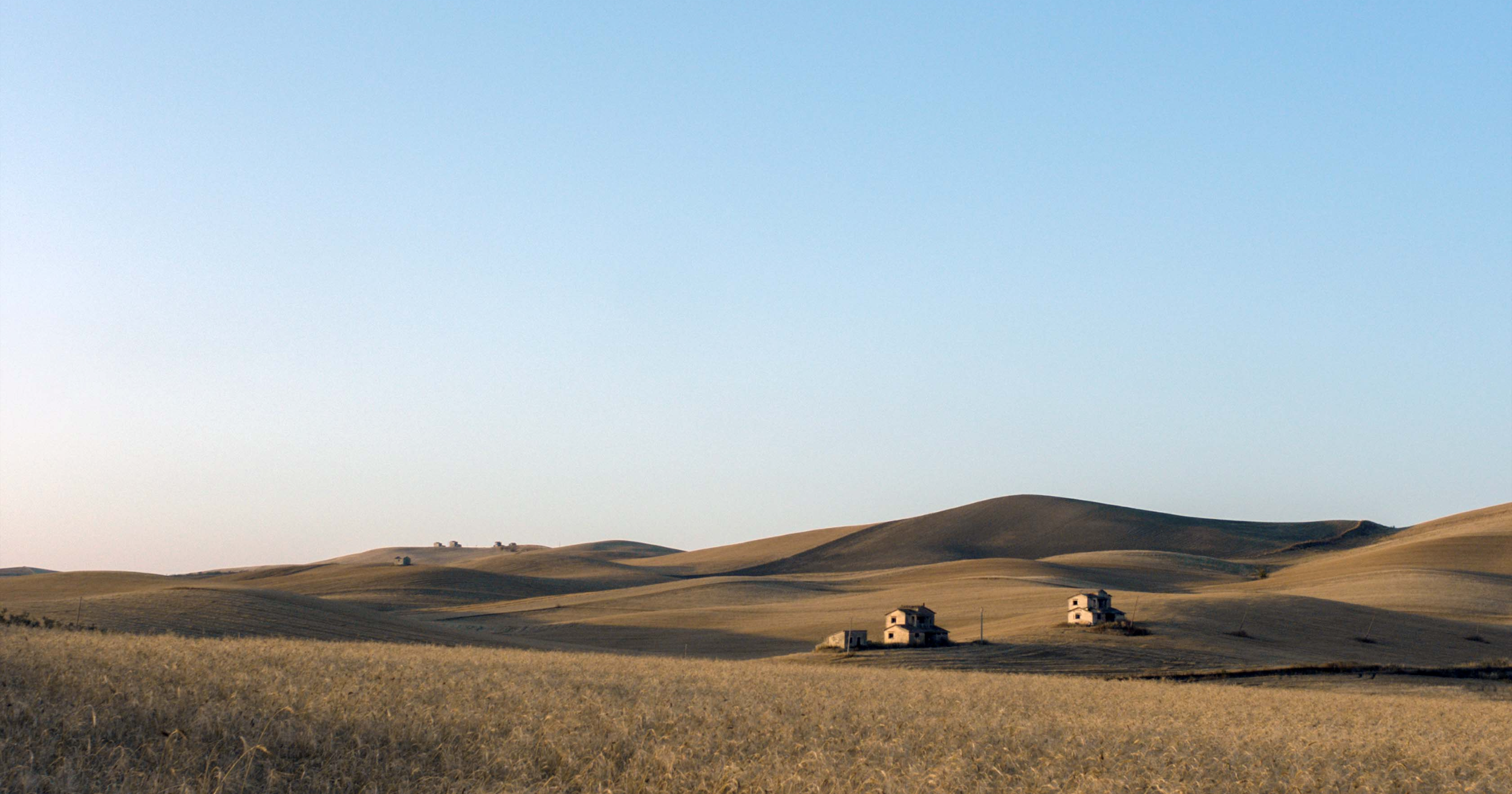
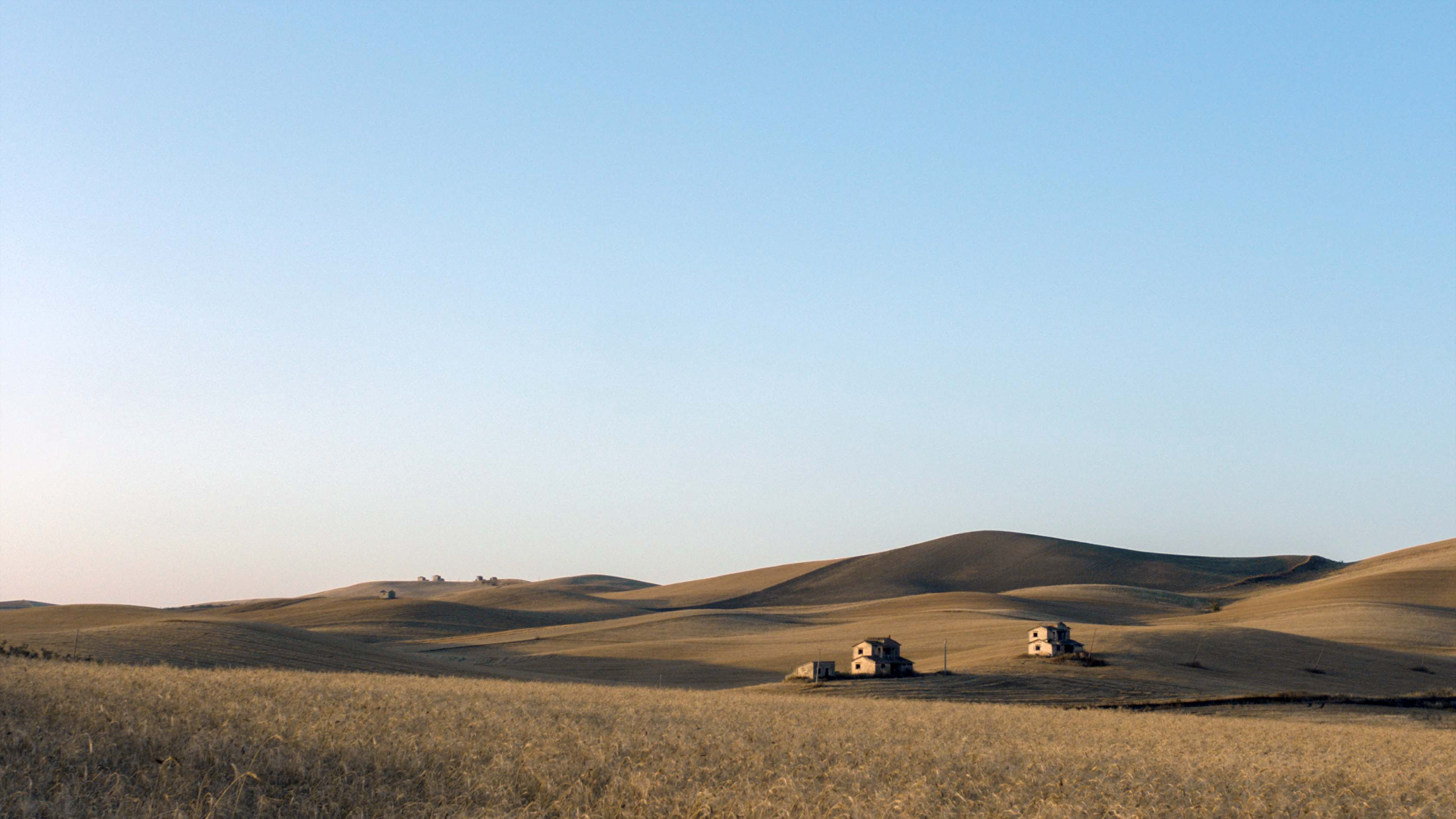
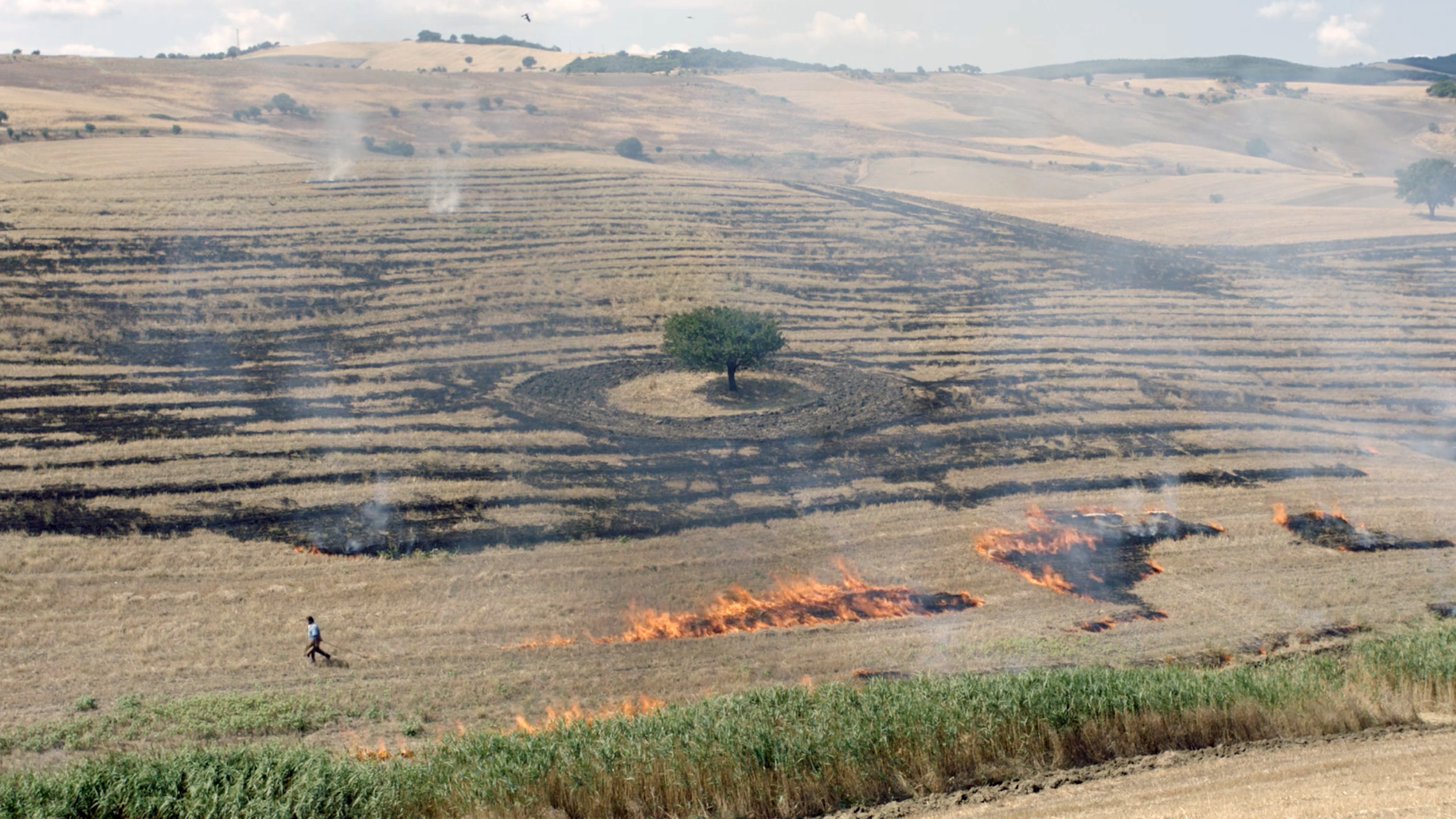
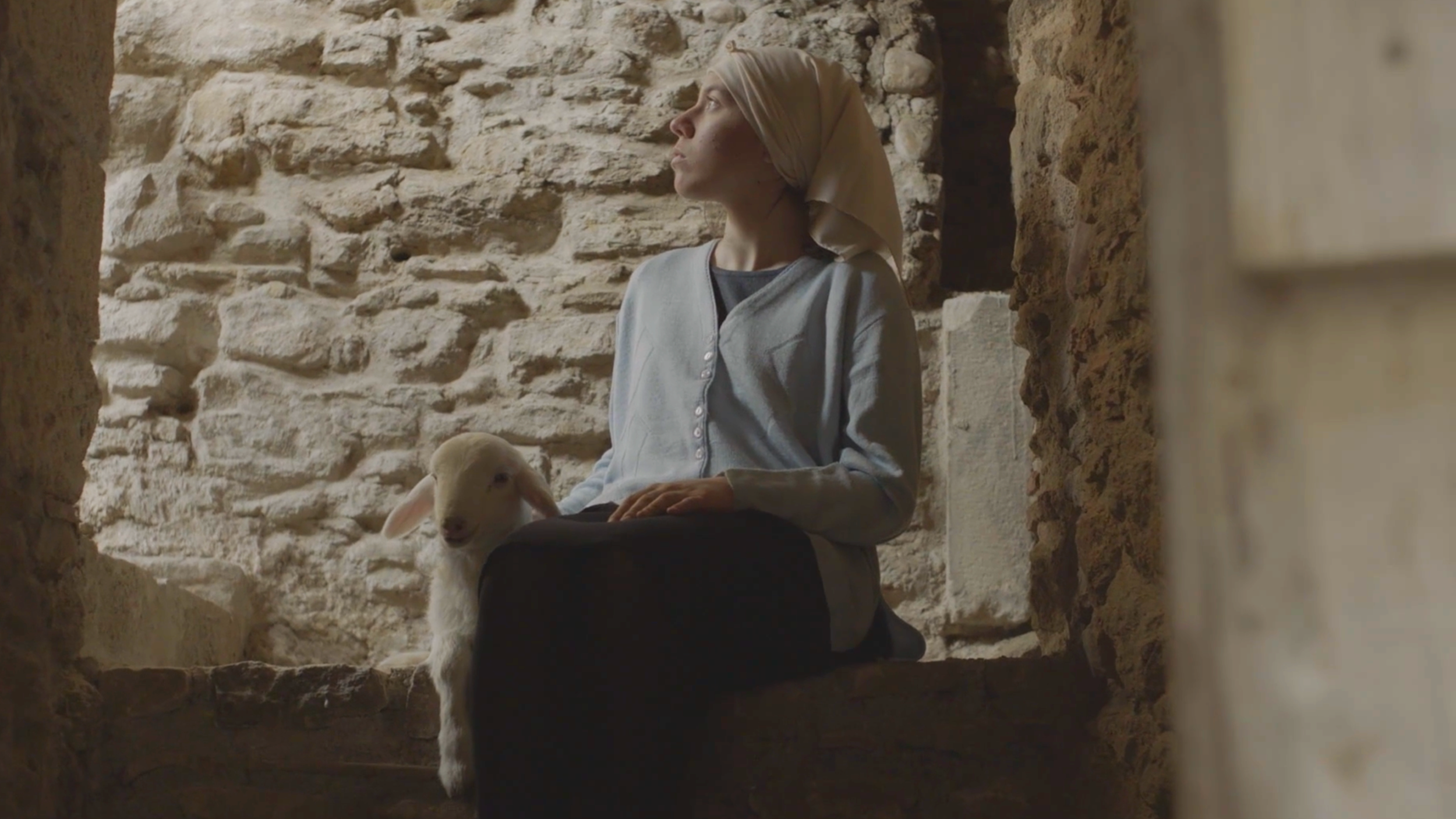
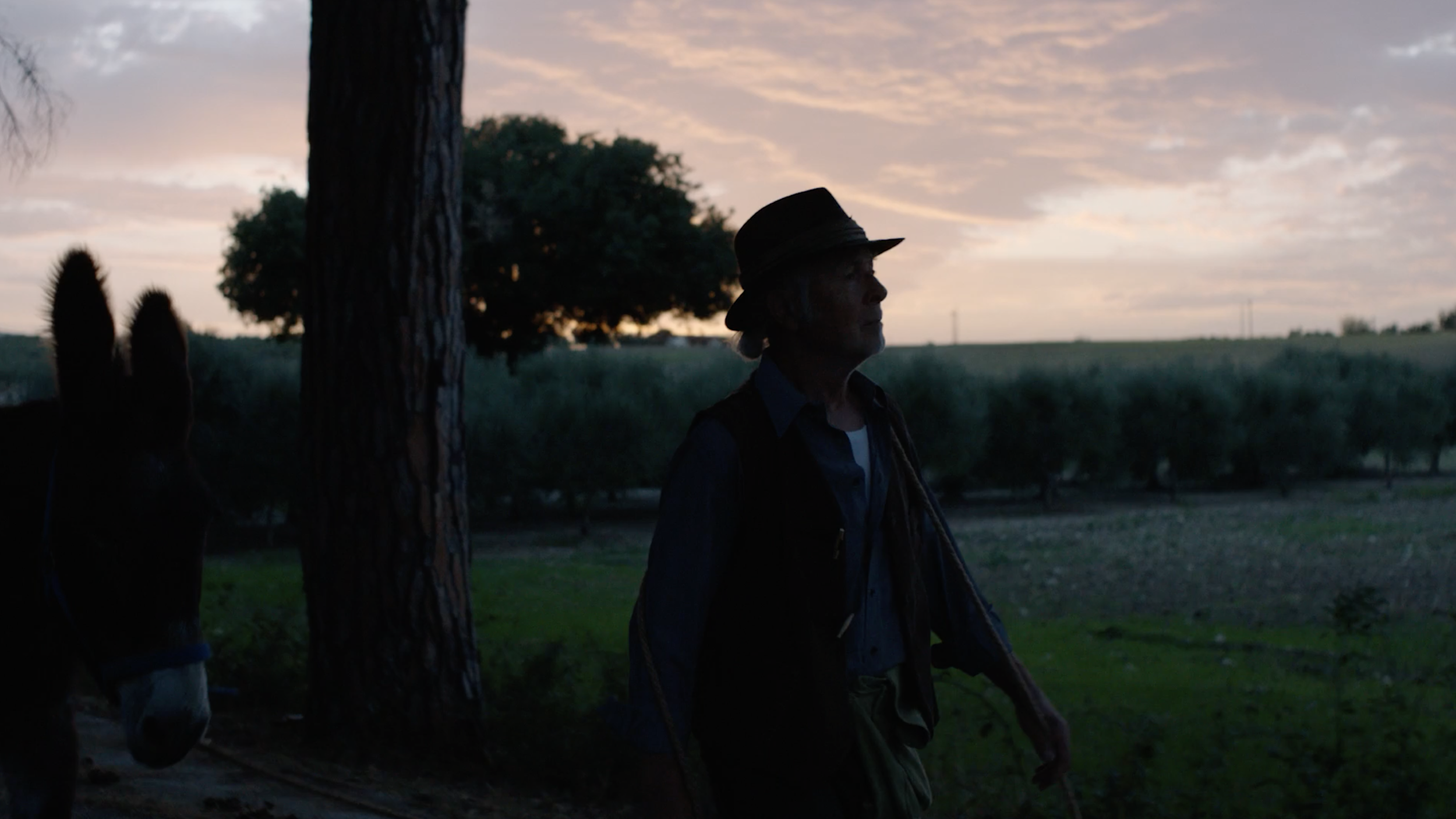
Lucania, or the Basilicata, is a region in southern Italy where industrious farmhands have inexorably worked the hills planted with wheat for thousands of years. The labor of yore and the modern farmers of today coexist in a single era, caring for the land, crops and livestock, as the seasons come and go. Their sweat and tears are sublimated by Guastamacchia, a farmhand and songster who crosses the region as a day laborer. His voice evokes the tales of survival of a rural community marked by decades-long labor struggles and militancy. For these workers, who have transmitted their stories orally only, song is their elected form of speech, their universal language. The music flows to the verses of Rocco Scotellaro, the bard of freedom for the land workers, a militant among them and on the printed page. In what is left of the rural culture of the 20th century, the farm workers strain to hand down ancestral practices to a future as yet unclear.

2026 Uno si distrae al bivio
2024 The City is Lost.
La Venezia di John Ruskin (doc)
2023 Il Re Fanciullo (doc)
2019 Lucus a Lucendo.
A proposito di Carlo Levi
(doc, co-directed with Enrico Masi)
“The film sets out in pursuit of the legacy of a farming culture that is superseded yet, strangely enough, still necessary. Two film genres meet in the attempt to reconstruct a rural community and reimagine ancient practices close to extinction: the western and the musical. The former inhabits characters from another time and the ghost towns from the agrarian reform of 1950; the latter in songs of the bards and archaic musical instruments used today. Onscreen, the paradox of myths and phantoms from the past with problems now more urgent than ever: labor struggles, exploitation, the defense of the environment, the dire lack of poetry today, and the feeling of having no more time or space to act. The film shows the coexistence of the rural lands in past and present, inspired by Rocco Scotellaro, the revolutionary bard of the farmhands, a poet all but forgotten and ready to be rediscovered, especially by the young, who demand the right to take their place in the world and its history.” (Alessandra Lancellotti)
Alessandra Lancellotti is an architect, archivist, and filmmaker. She studied at the Technische Universität in Vienna and the Politecnico in Turin, where she obtained a PhD in Architectural Heritage and Landscape. At the Polytechnic, she works for Architeca, the film and multimedia archives for architecture, handling the conservation and promotion of audiovisual heritage. She has also worked with the Ca’ Foscari University in Venice on historical and artistic research projects. Her career has intertwined the language of architecture and the language of cinema, with a focus on ruins, restoration, and the collective memory. Since 2014, she has been a member of the film production collective Caucaso, where she concentrates on directing and archival research.
