

Competition 2026
UNE FEMME AUJOURD’HUIA WOMAN TODAY
Press/Industry
Public, all accreditations
Followed by Q&A
Public, all accreditations
cinematography
Pierre Milon
editing
Bernard Sasia
music
Michel Petrossian
sound
Laurent Lafran
Claire-Anne Largeron
Jean-Marc Schick
Emmanuel Croset
production design
David Vinez
costumes
Anne-Marie Giacalone
cast
Marilou Aussilloux (Juliette)
Ariane Ascaride (Cathy)
Jean-Pierre Darroussin
(Mr Derval)
Grégoire Leprince-Ringuet (Christian)
Gérard Meylan (Alex)
Lola Naymark (Rebecca)
production
Agat Films
co-productions
Bibi Film
Arte France Cinéma
producers
Marc Bordure
Robert Guediguian
co-producer
Angelo Barbagallo
in collaboration with
Canal+
Ciné+ OCS
ARTE France
with the support of
La Région
Provence-Alpes-Côte d’Azur
in partnership with CNC
in association with
Indéfilms 14
La Banque Postale Image 19
Sofitvcine 13
Cinécap 9
Cineaxe 7
world sales
Playtime
info@playtime.group
Italia distribution
Officine UBU
distribuzione@officineubu.com
international press office
Viviana Andriani
viviana@rv-press.com
Italian press office
ECHO Group
Stefania Collalto
collalto@echogroup.it
At thirty-five, Juliette seems to have it all: a high-powered job in finance, a beautiful house, and a life of constant travel. Despite her mother’s hopes for grandchildren, her nights are filled with fleeting lovers. When she is assaulted by a work colleague at a company event, her world falls apart. Juliette then sets out on a new path to bring meaning to her life.

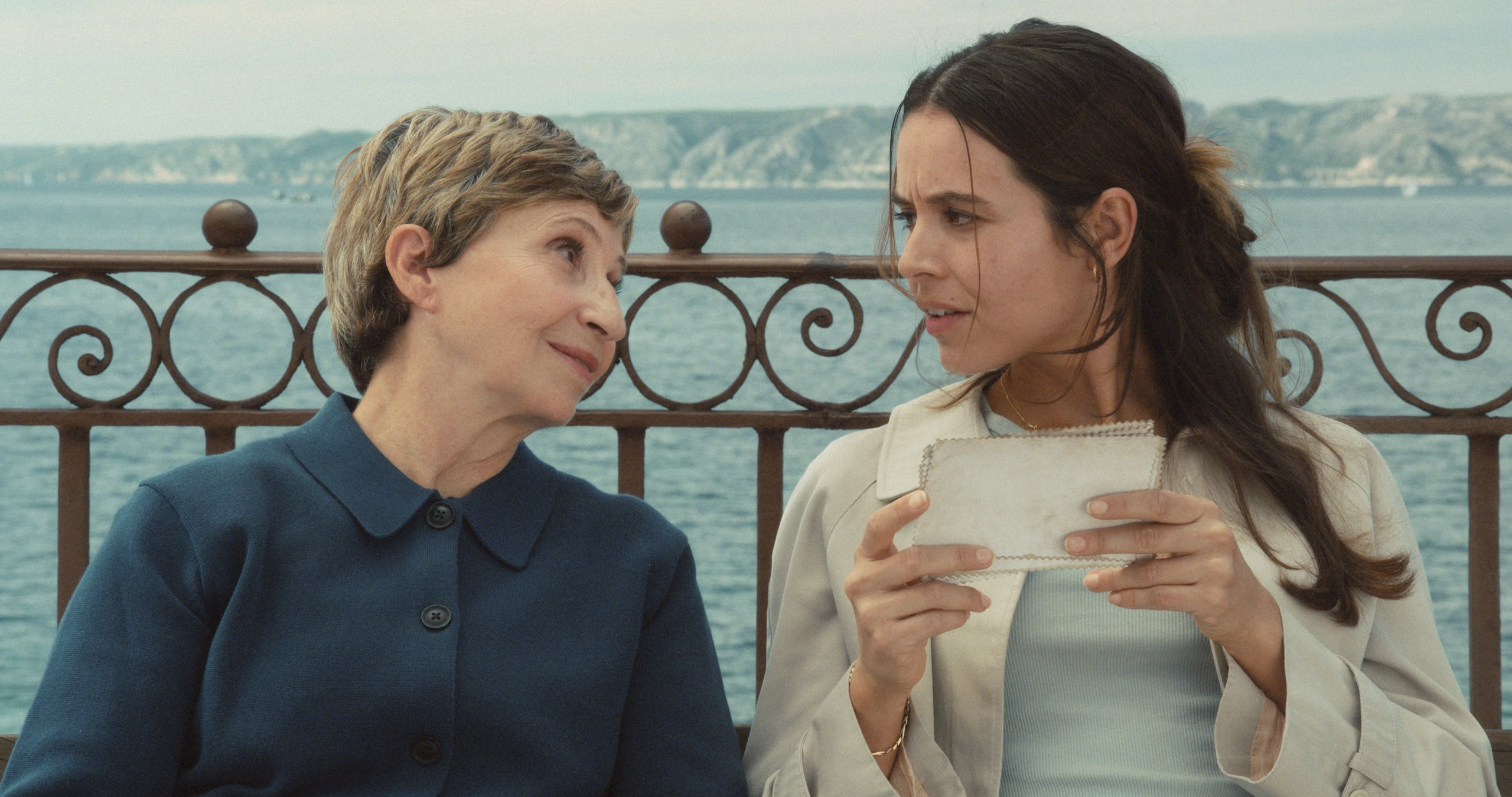
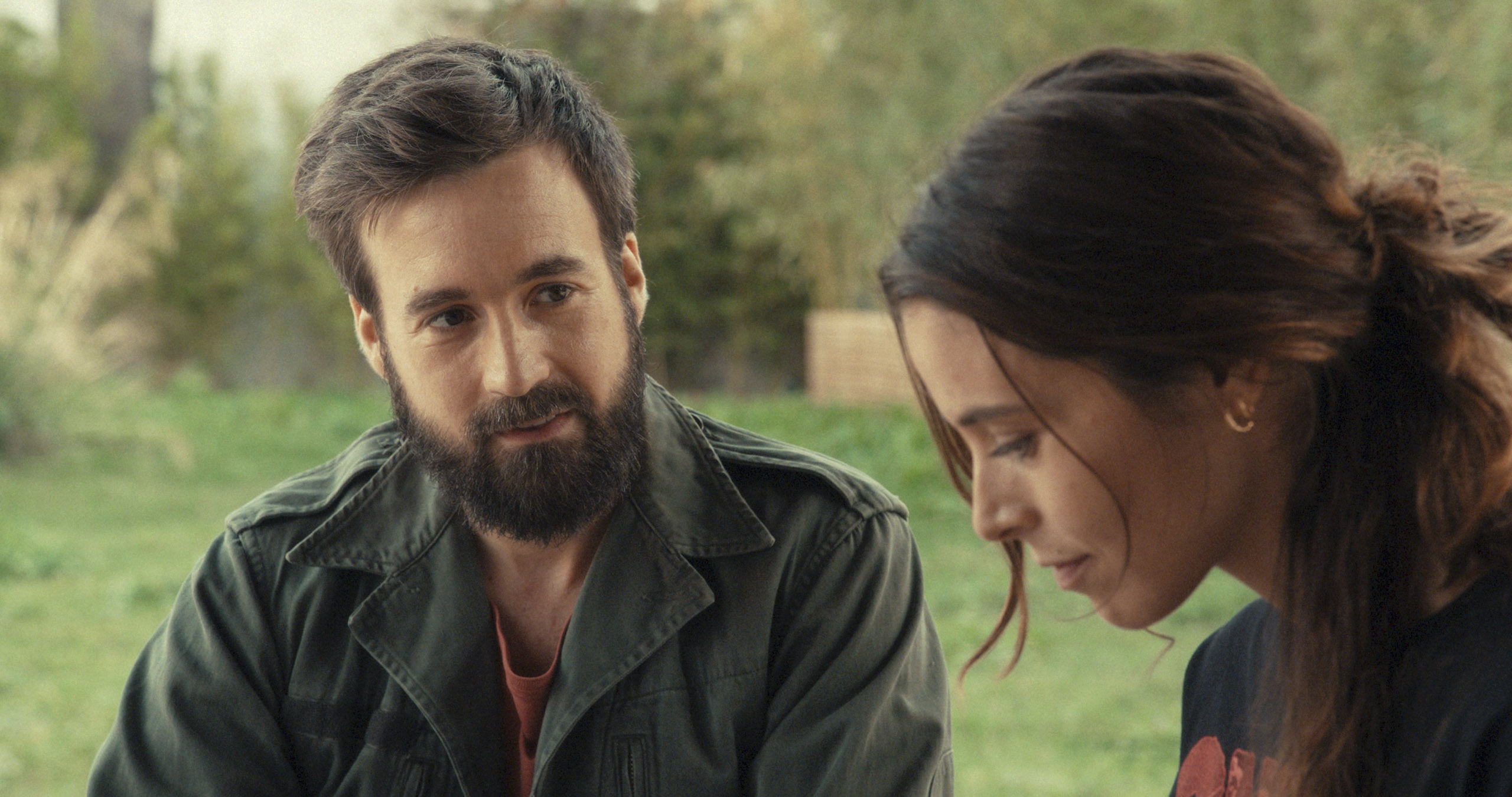
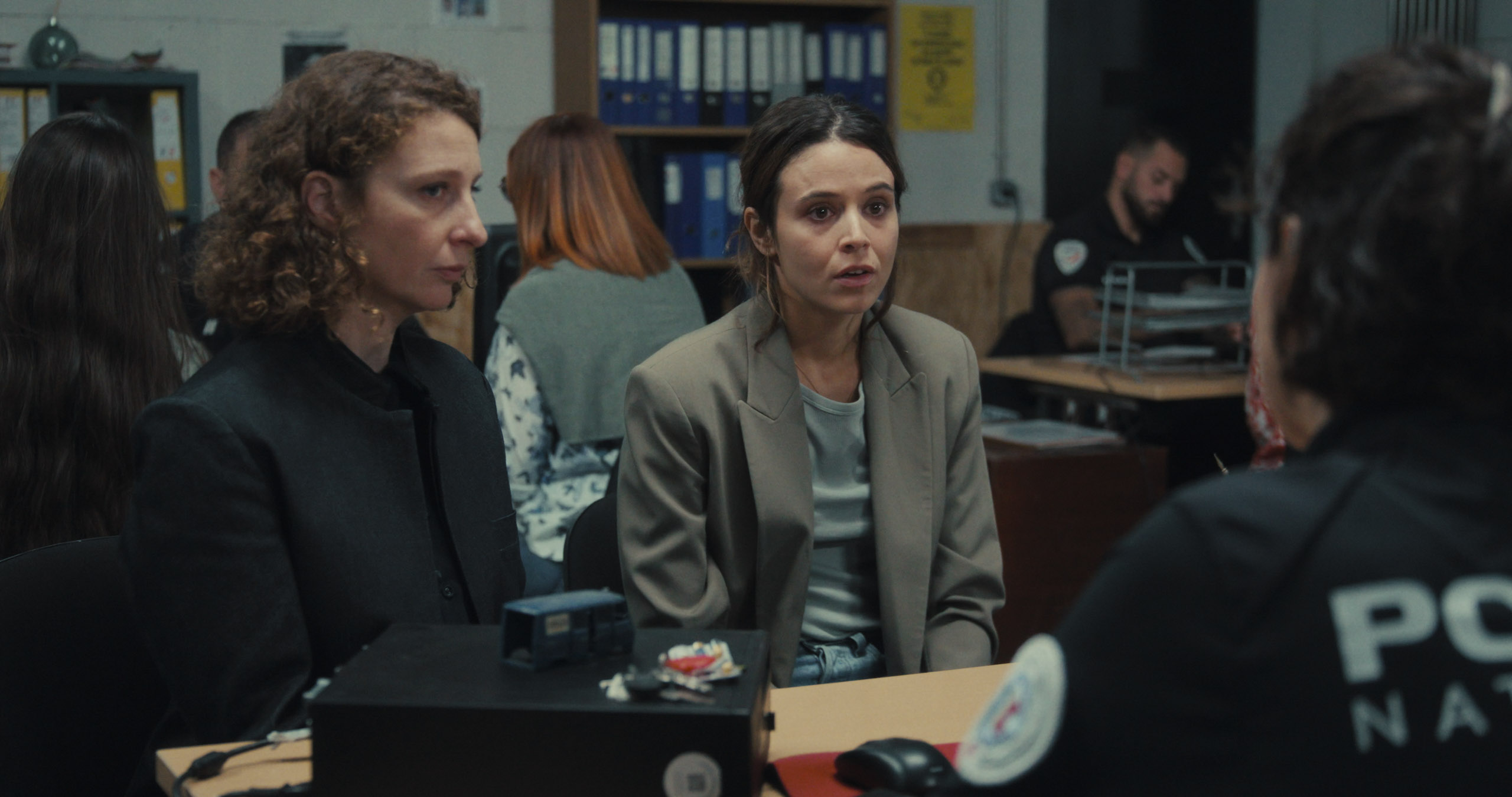

© Florence Behar Aboudaram
2026 Une femme aujourd’hui
2025 La pie voleuse
2023 Et la fête continue!
2022 Twist a Bamako
2019 Gloria mundi
2017 La villa
2015 Une histoire de fou
2014 Au fil d’Ariane
2011 Les neiges du Kilimandjaro
2009 L’armée du crime
2008 Lady Jane
2006 Le voyage en Arménie
2005 Le promeneur du Champ de Mars
2004 Mon père est ingénieur
2002 Marie jo et ses deux amours
2001 La ville est tranquille
2000 A l’attaque!
1998 A la place du cœur
1997 Marius et Jeannette
1995 A la vie, a la mort!
1993 L’argent fait le bonheur
1990 Dieu vomit les tièdes
1985 Ki lo sa?
1984 Rouge midi
1981 Dernier été
“This is the story of a young woman who considers herself emancipated: a young woman for whom life is easy and carefree until the day a violent attack forces her to realize that her freedom was nothing but a façade which, when it cracks, reveals the wounds of our time. She needs to find a new direction to give her life meaning. This woman will experience what our collective past and her own personal history had swept under the carpet. She will also realize that those wounds are passed on from one generation to the next, whether in a rational or magical manner. I have always sought to be contemporary in my films: to speak here and now about what strikes me as essential in this ceaselessly changing world, in its representations and in reality. Cinema is a kind of seismograph. And I believe that one of the defining features of our time is the sudden emergence of conflicts which, while they certainly existed already, were previously relegated to the fringes of our world view. People’s origins, religion, gender and skin colour seemed to us to be respected and, indeed, superseded by our unity as a republic. We now realize that we were wrong, because our relative prosperity never addressed these issues.” (Robert Guediguian)
Robert Guediguian (Marseille) is of Armenian origin through his father, a labourer, and German origin through his mother, a cleaner: on one side a people who suffered genocide, on the other a people who perpetrated it. This has made him an advocate of wealth redistribution, a universalist and an anti-racist. Through the working-class neighbourhood of L’Estaque, he explores the stories of those he refers to, in the words of Victor Hugo, as the “poor people”: workers, employees, small business owners, the unemployed, immigrants, the marginalized. He has developed his worldview by filming in Sarajevo, Yerevan, Beirut and Dakar. His films have been selected seven times for Cannes, four times for Venice, and twice for Berlin.
