
Side By Side 2026
FAME D’ARIA
Reservation required on giornatedegliautori.com
excerpt from the book of the same name
by Daniele Mencarelli (Mondadori)
cinematography
Alfredo Betrò
editing
Lorenzo Campera
music
Giuliano Taviani
Carmelo Travia
sound
Frank Rousselle
Riccardo Gruppuso
production design
Marc’Antonio Brandolini
costumes
Fiorenza Cipollone
cast
Paolo Pierobon (Pietro)
Saverio Santangelo (Jacopo)
Rosa Palasciano (Gaia)
Milvia Marigliano (Agata)
Alfonso Santagata (Oliviero)
production
Clemart
with Rai Cinema
producers
Gabriella Buontempo
Massimo Martino
world sales
TvCo
info@tvco.eu
Italian press office
Patrizia Biancamano
patriziabiancamano.press@gmail.com
Angelica Giusto
giusto.angelica@gmail.com
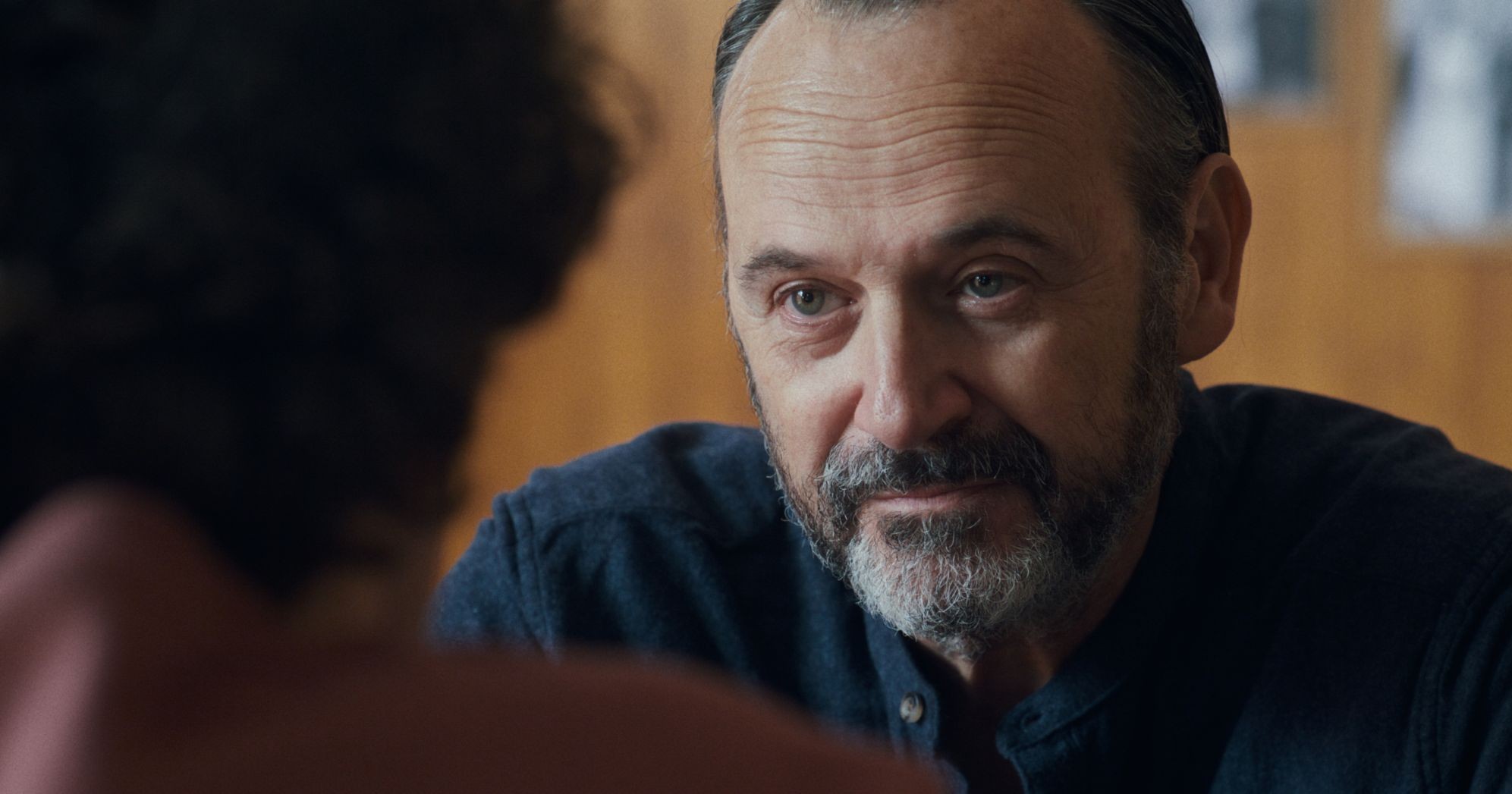
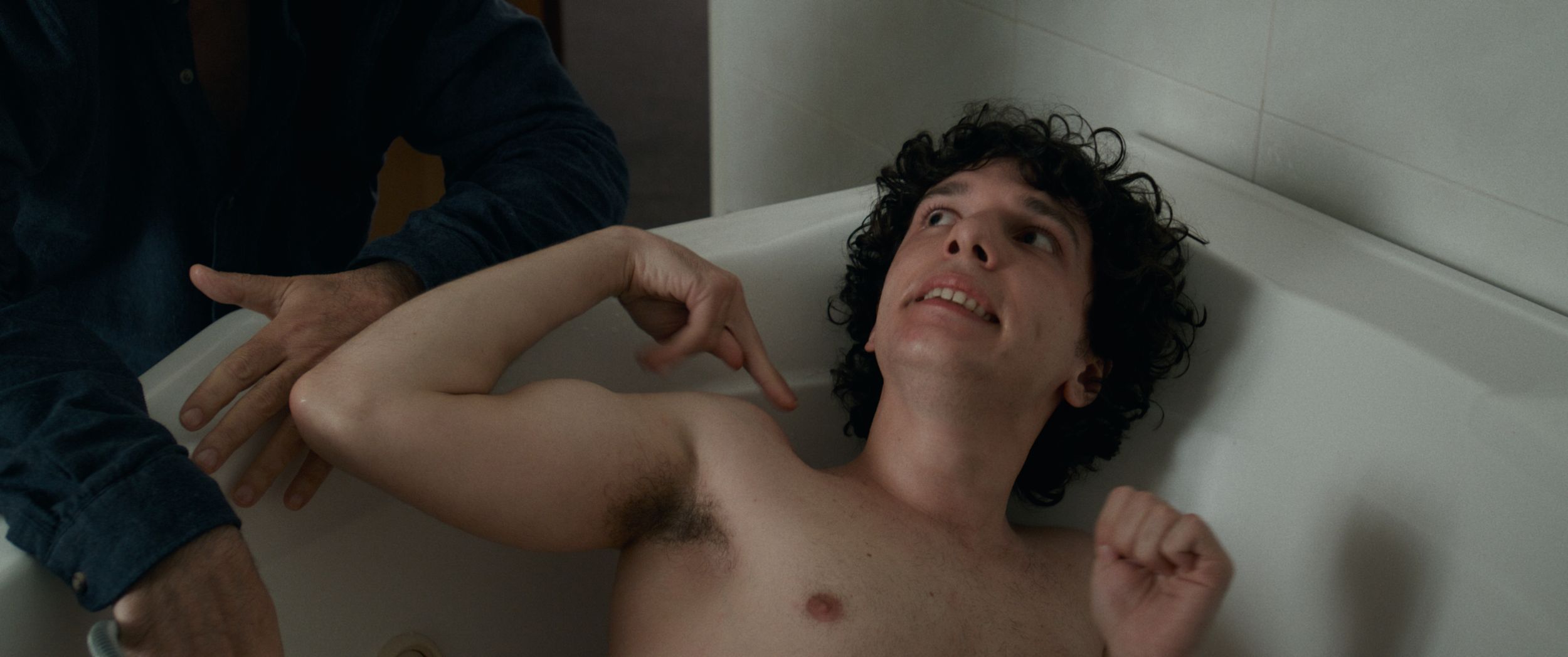
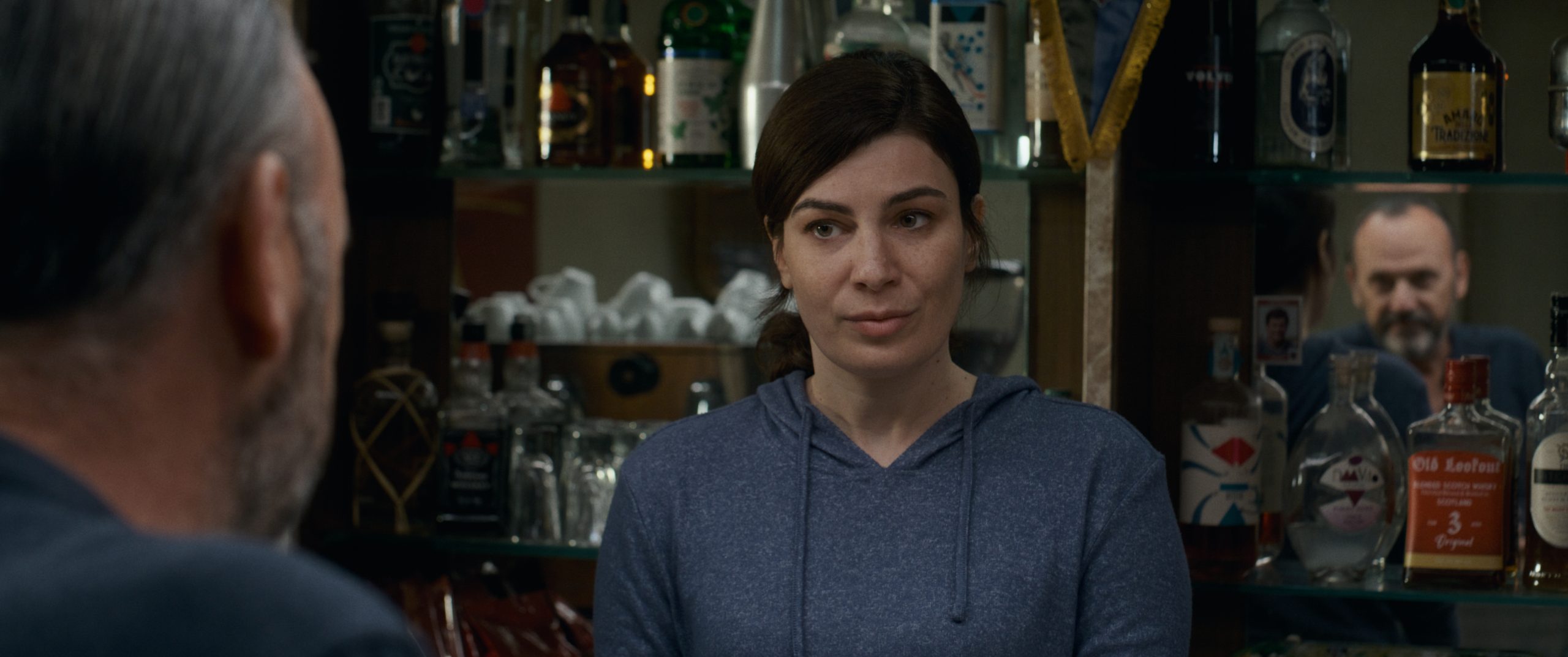
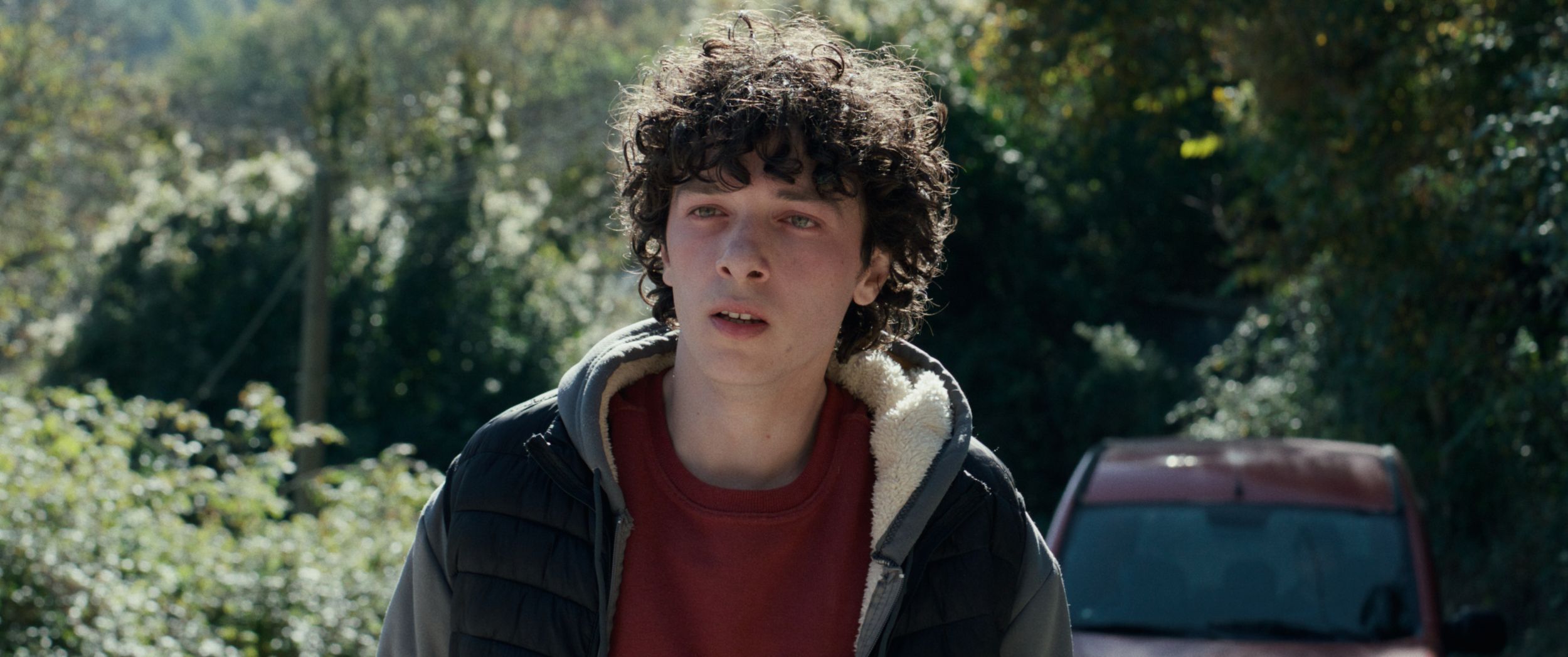
Pietro is driving to Puglia with Jacopo, his autistic son, when their car suddenly breaks down. They are helped by Oliviero, a local mechanic, and are able to stay with Agata, who owns a bar that once rented out rooms. Gaia, who helps Agata run the bar, develops a close relationship with Pietro. The pace of life in the small village is very slow and monotonous, like a long wait for something to happen, until something distressing does, stopping Pietro and Jacopo from resuming their journey.
2026 Fame d’aria
2021 L'arminuta
2020 Figli
2012 Pulce non c'è
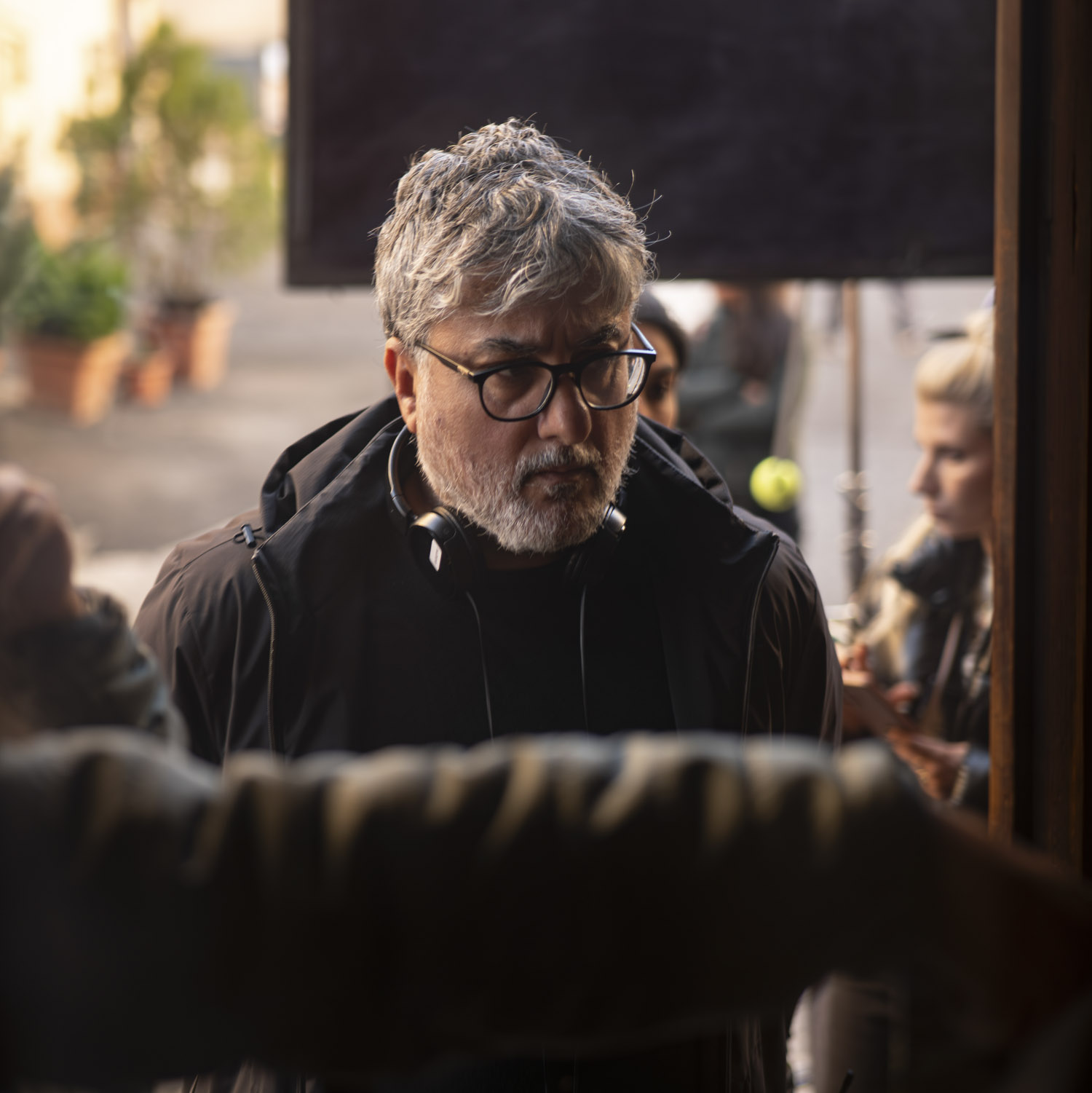
“In Fame d’aria, I tried to preserve the same tough, unsparing tone of the novel of the same name by Davide Mencarelli, on which the film is based. A story like this one simply can’t be sugarcoated. There has to be no way out for the audience, no alternative, just as there is none for Pietro, the main character. The tragedy of this father exhausted by the demands upon him every day of his life, the debts he has racked up, and his isolation as friends, family, and the system abandon him is seen in the difficult relationship with his son, whom he continues to care for, more out of inertia. Pietro is a man whose implacable existence has run him to the ground. […] I tried to avoid the clichés found in many films about people with autism, which can lead to a distorted, exploitative idea of autism that certainly doesn’t help audiences understand. Jacopo is a ‘low functioning’ autistic person, and as such I show him on screen. The biggest challenge and my aspiration is to show him as an individual in the round despite his condition: for all intents and purposes, the real main character of the film, whose own point of view I try to bring to the film.” (Giuseppe Bonito)
Giuseppe Bonito started out as an assistant director and went on to make his first film, Pulce non c’è, adapted from the novel by the same name by Gaia Rayneri, in 2012. The film competed at Alice nella città in Rome and won the Special Jury Prize. In 2020, his film Figli, written by Mattia Torre and based on the latter’s stage monologue, I figli invecchiano, starred Valerio Mastandrea, who repeated his stage role in the film, and also Paola Cortellesi. Figli won three Silver Ribbons (Best Comedy, Best Actor, Actress in a Comedy) and a David di Donatello for Best Original Screenplay. In 2021, Bonito directed L'Arminuta, based on the novel of the same name by Donatella Di Pietrantonio. It premiered at the Rome Film Fest and won the BNL Award. For this film, his third feature, Bonito received a David di Donatello for Best Adapted Screenplay, as well as several nominations at the Davids and the Silver Ribbons. In addition, the star of the film, Sofia Fiore, won the Globo d’oro for Best Breakthrough Actress. The same year, Bonito directed the last episodes of the TV series Bang Bang Baby, while from 2022 to2024, he directed the series Pale Mountains, Inspector Gerri, and Mike.
